
Hot Spot Oil MSDS
Click here to download the Hot Spot Oil Manufacturer Safety Data Sheet
Section 1: Identification
Product Identifier: Hot Spot Oil
Manufacturer Information:
Vermont Soap
616 Exchange Street
Middlebury, VT 05753
1(866)SOAP-4U2
Emergency Number: 802-388-4302
Recommended use of the chemical: Use to help with hot spots in pets.
Section 2: Hazard Identification
Hazard Classification: Non-hazardous
Signal word: None
Hazard Statement: Non-toxic
Pictograms
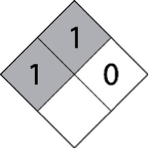
Precautionary statements
- Eyes: May cause minor irritation.
- Skin Contact: Not considered dangerous.
- Inhalation: Not considered dangerous.
- Ingestion: Product is not for edible use. Product is non-toxic and first aid measures are not normally required. Possible stomach upset, diarrhea and anal leakage. Acute Toxicity >16g/kg
Description of any hazards not otherwise classified Not Applicable
Non-Toxic
Section 3: Composition/Information on Ingredients
Substances
- Chemical name: Hot Spot Oil
Common name and synonyms: Hot Spot Oil, Green Gold
Chemical Abstracts Service (CAS) number: Jojoba Oil, 90045-98-0/61789-91-1, calendula extract 84776-23-8, Rosemary extract- 84604-14-8
Impurities and stabilizing additives, which are themselves classified and which contribute to the classification of the chemical Not Applicable
- Chemicals are a trade secret
Contents are as read on the label. Exact percentages are a trade secret
Ingredients: Certified organic jojoba oil, organic calendula, organic rosemary extract preservative
Section 4: First Aid Measures
- Eye Contact: Flush with plenty of milk or water for 15 minutes- If irritation persists get medical attention
- Skin Contact: Not a direct hazard.
- Inhalation: No vapors appear at normal working temperature.
- Ingestion: Product is not for edible use. Product is non-toxic and first aid measures are not normally required. Possible stomach upset, diarrhea and anal leakage. Acute Toxicity >16g/kg
Section 5 : Firefighting Measures
Flammability Classification: Flammable
Flash Point (F): >296°C (565°F)
Extinguishing Medium: Dry powder, foam and carbon dioxide
Unusual Fire and Explosion Hazards: Not Applicable
Fire Fighting Procedures: Wear self-contained breathing apparatus and other protective clothing. Treat as oil.
Section 6: Accidental Release Measures
Personal Precautions:
- Watch out for slippery conditions if spillage occurs.
- Eyes: May cause minor irritation.
- Skin Contact: Not considered dangerous.
- Inhalation: Not considered dangerous.
- Ingestion: Product is not for edible use. Product is non-toxic and first aid measures are not normally required. Possible stomach upset, diarrhea and anal leakage. Acute Toxicity >16g/kg
Emergency procedures
- Instructions for evacuations: None
- Consulting experts: None
- Protective clothing: None
Methods and materials used for containment :None
Cleanup procedures: Wash away with warm water or absorb with sand, rags or sweeping compound.
Waste Disposal: Follow Federal, State and Local regulations
Section 7: Handling and Storage
Precautions for safe handling
- Eyes: May cause minor irritation.
- Skin Contact: Not considered dangerous.
- Inhalation: Not considered dangerous.
- Ingestion: Product is not for edible use. Product is non-toxic and first aid measures are not normally required. Possible stomach upset, diarrhea and anal leakage. Acute Toxicity >16g/kg
Safe storage, including any incompatibilities
- Respiratory Protection: None required
- Ventilation: None
- Eye Protection: Safety Glasses
Handling and Storage Precautions: Handle with care and avoid spillage on the floor (spillage). Consider normal working hygiene. Keep away from ignition sources. Store in a tightly closed containers in a cool dry place. Keep away from heat and direct light.
Section 8: Exposure Controls/ Personal Protection
- OSHA Permissible Exposure Limits (PELs), Not Applicable
- American Conference of Governmental Industrial Hygienists (ACGIH) Not Applicable
- Threshold Limit Values (TLVs) Not Applicable
Exposure Limits
- Eye Contact: Flush with plenty of milk or water for 15 minutes- If irritation persists get medical attention
- Skin Contact: Not considered dangerous.
- Inhalation: Not considered dangerous.
- Ingestion: Product is not for edible use. Product is non-toxic and first aid measures are not normally required. Possible stomach upset, diarrhea and anal leakage. Acute Toxicity >16g/kg
Appropriate engineering controls
- Respiratory Protection: None required
- Ventilation: None
- Eye Protection: Safety Glasses
Handling and Storage Precautions: Handle with care and avoid spillage on the floor (spillage). Consider normal working hygiene. Keep away from ignition sources. Store in a tightly closed containers in a cool dry place. Keep away from heat and direct light.
- Respiratory Protection: None required at room temperature and under normal conditions.
- Ventilation: None
- Eye Protection: Safety Glasses
Handling and Storage Precautions: Do not take internally. Store away from heat. Keep from freezing
Special requirements for Personal Protection Equipment
- Respiratory Protection None required at room temperature and under normal conditions.
- Ventilation: None
- Eye Protection: Safety Glasses
- Handling and Storage Precautions: Handle with care and avoid spillage on the floor (spillage). Consider normal working hygiene. Keep away from ignition sources. Store in a tightly closed containers in a cool dry place. Keep away from heat and direct light.
Section 9: Physical and Chemical Properties
Appearance: Congeals between 40°C and 50°C and is a golden amber color
Upper/lower flammability or explosive limits: Not Applicable
Odor: Slightly fatty
pH: Insoluble in water
Flash point: >296°C (565°F)
Flammability (solid, gas): Yes is oil based
Section 10: Stability and Reactivity
Reactivity
- Nonreactive under normal use and storage conditions. Is flammable
Chemical Stability
Indication of whether the chemical is stable or unstable under normal ambient temperature and conditions while in storage and being handled
- Eye Contact: Flush with plenty of milk or water for 15 minutes- If irritation persists get medical attention
- Skin Contact: Not considered dangerous.
- Inhalation: Not considered dangerous.
- Ingestion: Product is not for edible use. Product is non-toxic and first aid measures are not normally required. Possible stomach upset, diarrhea and anal leakage. Acute Toxicity >16g/kg
Handling and Storage Precautions: Handle with care and avoid spillage on the floor (spillage). Consider normal working hygiene. Keep away from ignition sources. Store in a tightly closed containers in a cool dry place. Keep away from heat and direct light.
- Flammability Classification: Flammable
- Flash Point (F): 350°C
- Extinguishing Medium: Dry powder, foam and carbon dioxide
- Unusual Fire and Explosion Hazards: Not Applicable
- Fire Fighting Procedures: Wear self-contained breathing apparatus and other protective clothing. Treat as oil.
Conditions to Avoid: Oxidation promoting conditions (heat, sunlight, air)
Materials to Avoid: Strong oxidizing agents
Hazardous Decomposition Products: Only Thermal decomposition products: H2O and CO2
Section 11: Toxicological Information
Exposure Information
- Skin: No skin irritation observed
- Eye: Slightly irritant
- Ingestion: Product is not for edible use. Product is non-toxic and first aid measures are not normally required. Possible stomach upset, diarrhea and anal leakage. Acute Toxicity >16g/kg
- Inhalation: Not to be expected under normal use and storage conditions.
- Chronic: Nontoxic
The numerical measures of toxicity: Nontoxic
Description of the symptoms
- Eye Contact: Flush with plenty of milk or water for 15 minutes- If irritation persists get medical attention
- Skin Contact: Not considered dangerous.
- Inhalation: Not considered dangerous.
- Ingestion: Product is not for edible use. Product is non-toxic and first aid measures are not normally required. Possible stomach upset, diarrhea and anal leakage. Acute Toxicity >16g/kg
Not know to be Carcinogenic
Section 12: Ecological Information
Data from toxicity tests: Safe and biodegradable
Biodegradable
Section 13 Disposal Considerations
Description of appropriate disposal containers to use Discard in compliance with local ordinances
Recommendations of appropriate disposal methods to employ
- Wash away with warm water or absorb with sand, rags or sweeping compound.
- Waste Disposal: Follow Federal, State and Local regulations
Section 14: Transport Information
UN number: This is not a regulated hazardous Material for Transportation
UN proper shipping name: This is not a regulated hazardous Material for Transportation
Transport hazard class(es): Non-hazardous
Section 15: Regulatory Information
No regulatory concerns exist
Section 16: Other Information
This is a water based product
USDA Food Grade Certified Organic Product
Last Revision: 2/17/15
